Turned parts, milled features and combined operations
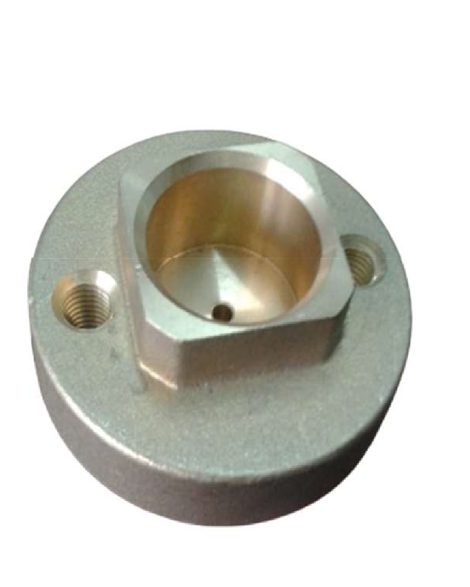
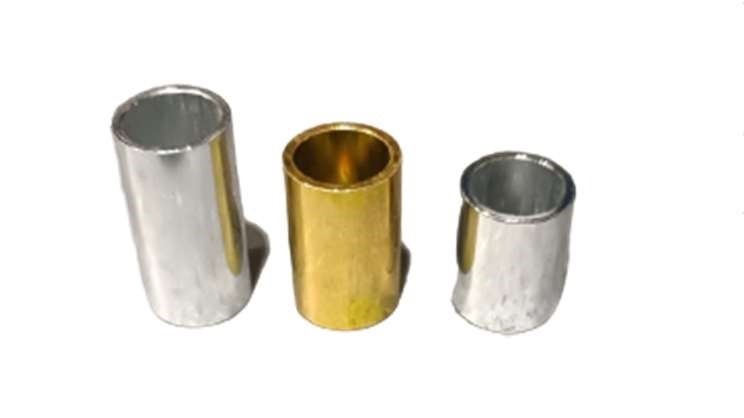
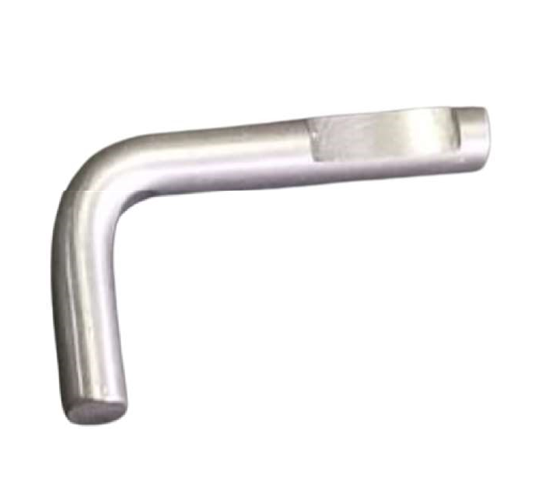
Our sourcing scope includes turned and milled components, sleeves, pins, connectors, flanges and parts with drilled or threaded features. A component may require several operations: turning the basic profile, machining a flat, cross-drilling, threading and then deburring or surface treatment. These operations are considered together rather than treated as unrelated items.
Swiss-type machining can be evaluated for suitable small turned components, while other CNC turning and milling routes are assessed according to the part geometry. The final machine and process selection depend on diameter, length, features, tolerances and quantity.
Materials and surface requirements
Steel, stainless steel, aluminum and brass appear across the Metal Outsource component range. The exact grade matters: a drawing that states only “steel” does not define machinability, mechanical requirements or corrosion behavior. Include the material designation and any substitution rules with your enquiry.
Surface treatment is reviewed with the dimensions it can affect. Specify required plating, coating, heat treatment, surface roughness and any areas that must remain untreated. If a functional dimension applies after finishing, identify that requirement clearly.
From a sample requirement to repeat production
Order quantity, batch size and estimated annual demand help determine an appropriate production approach. Share whether the enquiry concerns a first batch, an existing serial-production item or a part that is still being developed. Tooling, setup and recurring operations can then be evaluated in the correct context.
Before production, agree on the approved drawing revision, critical dimensions, inspection needs, packaging and delivery terms. Where inspection records or material documentation are required, include them in the request so they can be confirmed in the quotation.